Sunday, 24 May 2020

What are the symptoms of hyperthyroidism?


Hyperthyroidism is a situation where there is too much thyroid hormones in the body.  Because the thyroid controls metabolism and temperature, when the thyroid is overactive, it means increased metabolic processes leading to weight loss without trying and increased body temperature, often resulting in more sweating. 

Other symptoms of hyperthyroidism include:


  •       High blood pressure
  •     Rapid heart rate
  •        Anxiety or nervousness
  •        Difficulty sleeping
  •        Frequent bowel movements
  •        Hair loss or brittle hair
  •        Menstrual cycle irregularity
  •        Muscular weakness

Hyperthyroidism is more common in women than it is in men.  The most common cause of hyperthyroidism is autoimmune thyroiditis causing inflammation in the thyroid.  Diagnosis is done through a blood test that measures the TSH, free T4, Free T3 and Thyroid antibodies.  

Autoimmune hyperthyroidism is called Graves disease.  Graves disease patients often have eyes that appear too big (called exophthalmos).

Severe hyperthyroidism can be life threatening, therefore if you have persistent symptoms above, consult a qualified healthcare practitioner and investigate.


Friday, 22 May 2020

Are you tired and overweight? You may be having an underactive thyroid


When the thyroid is underactive or subclinically underactive (I shall explain the subclinical term I used deliberately here), you may have the following symptoms:

  •           Unexplained weight gain
  •           Difficulty losing weight
  •          Constipation despite good hydration and fibre intake
  •           Low energy and libido
  •           Feeling cold all the time, or feel the cold too easily
  •           Dry flaky skin
  •           Hair loss or brittle hair
  •           Depressed, confused and difficulty concentrating
  •           Fluid retention
  •           Husky voice without a sore throat
  •           Pre menstrual tension
  •           Infertility /difficulty conceiving

The thyroid can be underactive (through blood tests) or subclinically underactive.  By subclinically I mean the blood test results are still within the range but you have all or some of the above symptoms.

For example, the most common test ordered for the thyroid is Thyroid Stimulating Hormone (TSH) which is produced by your pituitary in the brain.  The higher the number for TSH, it means the more effort your pituitary has to put in for your thyroid to produce hormones.  Think about it as a mum asking her child to do his/her homework.  She asks in a nice calm tone initially.  And if the child does not respond, she speaks louder with her instructions, and if the child still refuses to respond, mum raises her voice (which mean TSH goes up).  The range is large to be considered “normal”, and often patients think that anything in the normal range means they are fine.  Not so with the thyroid numbers.  The same applies for thyroid hormones Free T4 and Free T3.


The other important marker to consider for the thyroid is thyroid antibodies.  The higher the antibodies, the harder your body is attacking against the thyroid.

Watch my Youtube video here on home help that you can implement to help an underactive thyroid.  If you have persistent symptoms, please seek the help from a qualified healthcare professional.  We offer functional tests here to measure all 7 markers of the thyroid.


Tuesday, 17 March 2020

Coronavirus COVID-19 - Be Prepared Emergency Kitset


We are going through uncertain times and things are changing on a daily basis.  It is good to be prepared, do not panic, and if you have not done your shopping, I would suggest you do it to prepare about 2 weeks’ worth of supplies  Be prepared, in case you need to self isolate.  This is what I would make sure there is adequate supply for 2 weeks.

  •           Canned tuna/ salmon/ sardines
  •       Cold smoked salmon that are vacumn packed can stay in the fridge for 2 weeks
  •           Dried beans and lentils
  •           Dried sea vegetables like wakame, kombu
  •           Miso paste that you can store in the fridge
  •           Frozen vegetables like broccoli, cauliflower, spinach, beans, peas that you can store in the freezer
  •           Garlic, ginger and onions
  •           Brown rice/ buckwheat/ millet/ quinoa/ amaranth
  •           Eggs
  •           Olive oil or coconut oil
  •           Dried herbs for flavouring – e.g. rosemary, basil, coriander seeds, mustard seeds, paprika, etc.  If you  are self sufficient and grow herbs in your kitchen or garden, that would be a substitute for dried herbs.
  •           Salt, soya sauce or tamari, apple cider vinegar or balsamic vinegar
  •           Raw dried nuts and seeds
  •           Some extra lean meat/ chicken that you can store in the freezer
  •           Tissue paper and toilet paper (yes, have some toilet paper in case you run out!)
  •           Toothpaste, mouth wash, body wash, shampoo
  •           Sanitary pads or tampons (for menstruating women)  


When you are prepared, you will not panic.  There will be those of you who are on specific dietary interventions and need more of something and less of others, you will need to tailor this list to your specific needs.

Monday, 16 March 2020

Kale and Beetroot salad


These two dark coloured vegetables, kale and beetroot, are super food for your liver.  This easy to make recipe is super tasty.

Ingredients:

2 medium size beetroot

1 bunch of kale, removed from the hard stem and torn

Sea salt
Mustard seeds
Olive oil
Lemon juice

Method:

Chop beetroot into chunks, drizzle with oil and slow roast in the oven at 160C for 45 minutes.

Wash kale, spin dry, remove leaves from hard stem and tear large leaves up.  Drizzle olive oil and sprinkle seasalt.  Rub the kale, oil and salt together.

This can be roasted on a lower tray from the beetroot for the last 10-20 minutes of the beetroot.  Short period of roasting of kale just wilts the kale, longer periods will result in some kale chips.  You can choose if you just want it wilted.  I often go for just wilted kale.

When beetroot is soft and kale limp, mix in lemon juice and mustard seeds.

This is a nice roast that can be made in advanced and extras stored for next day's lunch or next meal.  As there is very little manual job once you put the beetroot in to roast, you can spend the time vacumming the floor or wiping down surface whilst the veges are roasting!

Friday, 13 March 2020

Do you need to worry about the coronavirus COVID-19?


With the World Health Organisation declaring the coronavirus (COVID-19) a pandemic and massive panic and uncertainty going on around the globe, people should look at facts and take smart action to reduce their risk.  Most importantly do not panic but take the necessary precaution and plan ahead with an emergency kit set (which I will share in the next blog).  Supporting your immune system is important as the weather changes anyway, as we are going into the colder months.

Here are some facts about the COVID-19 virus:

  1. The symptoms of COVID-19 and the flu are very similar – fever, cough, fatigue, and in severe cases, difficulty breathing
  2. 85% of people who contract it will have mild symptoms
  3. Those who suffer severe symptoms and complications often have other chronic diseases like heart disease, diabetes and lung disease and the elderly.  Smokers are also at higher risk.
  4. This virus spreads through mucus membranes.  There has been a run on masks, but are they really protective?  According to Dr William Schaffner, an infectious disease specialist at Vanderbilt University in Tennessee, the answer is NO. A more specialized mask, known as an N95 respirator, can protect against this coronavirus.  However, it is not recommended as it is challenging to put on these N95 masks properly and wear them for long periods of time. (source:  https://www.livescience.com/face-mask-new-coronavirus.html).
  5.  It is also not wise to have a run on these masks as medical workers are hospitals will need them. If you are sick, then please use a face mask but what you really should be doing is stay home and refrain from sharing your pathogens with other people.  
  6. Talking mucus mebranes, should we also have a run on goggles? If you are using masks without goggles, you need to think again.  
  7. The coronavirus can live on inanimate surfaces for up to 9 days.  Hand washing is really important.
  8. Children who have contracted this coronavirus seem to have mild symptoms compared to adults.  However, this may pose a risk to the adults in the family, or elderly, as they may not be aware that the children have the said virus.
  9.  Wash your hands with warm water and soap regularly.  It is a better strategy compared to hand sanitisers.

Preventative measures:

  1. Wash your hands with warm water and soap regularly.  It is a better strategy compared to hand sanitisers.
  2. Support your immune system – take Vitamin C in the form of sodium ascorbate – we have lots of sodium channels in our body to take in vitamin C.  Take about 3000mg of sodium ascorbate daily in split doses of 1000mg, 3 times a day, upto maximum bowel tolerance.  Vitamin C is water soluble so splitting the dose is beneficial.
  3. Take Vitamin D, get free Vitamin D from the sun, and orally if your levels are low to have the protective effect.
  4. Zinc is a crucial mineral for the immune system.  Keeping this level in check will help your immune, gut and skin health.  We have simple test in clinic to assess your levels of zinc.
  5. Eat lot of vegetables, some of which need to be dark coloured vegetables.  I made a beautiful kale and beetroot salad which I’m sharing the recipe on this website.
  6. Keep a healthy microbiome, by eating whole foods and cutting out junk food and unnecessary, especially recreational drugs.  If you gut is healthy, adding fermented foods is useful.  However, if you suffer a lot from gut pain, bloating, diarrhea and/or constipation or alternating between the two, you can get a worsening of symptoms when you introduce fermented foods.  You will benefit from healing the gut first before adding fermented foods.  A Complete Microbiome Profile can be ordered to understand your microbiome, gut integrity, enzymes and digestive function.
  7. 70% of your immune system reside in your gut.  If you have problems in the gut, fix it now.  Some patients with no overt gut symptoms but have autoimmunity should also be working on the immune system in the gut.
  8. If you suffer from colds and flu in the winter typically, this is a good time to start on an immune enhancing tincture.
  9. Maintain a positive state of mind.  It is easy to get panicky with the doom and gloom and uncertainty worldwide as the media keeps reporting.  The panic will do more harm than the virus.  Economically, we are already seeing the effects on stock market, tourism declining, restaurant businesses needing to shut down and the list goes on.  Be smart.  Manage your risk.  If all of us play our part in supporting our immune system and maintaining hygiene, we will conquer this pandemic.
  10. Have enough rest.  Avoid late nights on Netflix.
  11. Avoid crowded places.  Keep a social distance.  We will conquer it, and life will return to normal.


Wednesday, 19 February 2020

Support your immune system during the coronavirus (COVID-19) pandemic


With the coronavirus pandemic (COVID-19) and increasing number of people being infected, it is only prudent that everyone of us should be supporting our immune system.  Why wouldn’t you?  The statistics show that the number of deaths has way surpassed the number of deaths during the SARS epidemic in 2003 and MERS epidemic in 2012.

Put a group of people in a room and have the same virus present, not all the people are going to come down with the disease.  Those who are immune compromised or have other ongoing health issues (also called comorbidities) will be the ones most susceptible.

In situations like this, it is wise to be proactive rather than reactive.  Sure, put on your masks and wash your hands with soap and warm water for at least 20 seconds(basic personal hygiene) and avoid crowded places, but what else?

Here’s what you can do:

1.    Get your vitamin C up.  Lots of fresh fruits and vegetables are good sources of vitamin C, but only if they are fresh.  If you have irregular intake of fresh fruits and vegetables, you should supplement.  I would recommend the sodium ascorbate form of vitamin C rather than any other form considering bioavailability and cost effectiveness, about 3000mg or upto maximum bowel tolerance. 


2. Increase your antioxidant intake.  This comes easily from dark coloured fruits and vegetables, minerals like zinc and selenium , and vitamins A, C and E.

3. Get your vitamin D from the sun, eggs, sardines, shitake mushrooms.  Get a test at Labtest to know your levels.  If your levels are too low, supplement.  If you just need to maintain, get vitamin D from the above sources.

4.  Keep your body alkalised.  Adopt a 80:20 rule when it comes to alkalising and acidifying foods.  Minerals like potassium, magnesium and calcium increases alkalinity.  Squeeze half a lemon in water or 1 Tablespoon of Apple cider vinegar in water daily.  Detox if you feel sluggish, heavy or tired. 

5. Manage your stress.  What do you do to de-stress?  Do you practise yoga, deep breathing exercises, have a hobby, go for a walk, exercise or keep a pet?  These activities can help to de-stress. 

6.  Adequate amount of sleep.  Making sure that you have restorative sleep is crucial to building a strong immune system.  Lack of sleep with difficulty getting to sleep or staying asleep can wreck havoc on your immune system.  An express detox, increasing mineral intake and keeping a healthy gut microbiome is important to maintaining good sleep.  

7.  Hydration, keeping your fluid intake adequate is absolutely crucial.  30ml/kg of body weight is what you require daily (excludes coffee and alcohol). 

8.  Do not panic – there is no reason to panic.  Although it seems like this pandemic has spread far and wide, the mortality rate is relatively low compared to SARS and MERS.  The best strategy is still preventative and keep your immune system healthy is crucial. 

9.  If you love herbs, use them.  Immune modulating herbs are useful in supporting the immune system.  When a virus infects a body, it latches onto the surface and enters through a vesicle.  Once it is inside this vesicle, the virus releases its RNA and hijacks the cells mechanism to produce viral proteins.  These viral proteins assist with the virus replication.  Nature has provided us with many antiviral herbs and essential oils. 
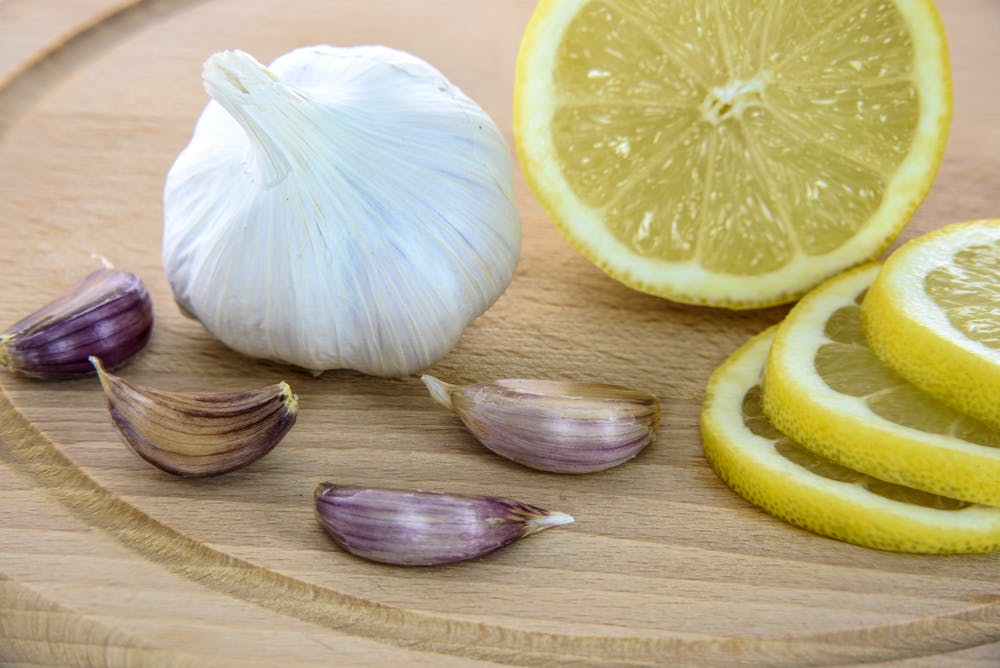
Culinary herbs like garlic, ginger, oregano, turmeric (ingested internally) and essential oils of tea tree, clove and eucalyptus put into a burner or used to clean surfaces can be good preventative measures.  NOTE: DO NOT ingest essential oils, these should only be used externally.  

10.  Eat good nutritious food, lightly cooked, steamed, stewed, baked or panfried.  Avoid processed foods.  

11. Cut down on sugar, high fructose corn syrup, glucose syrup and artificial sweeteners.  If you have diabetes or are prediabetic, this is the best time to naturally work on improving your blood sugar control and support your immunity.  

12.  Have plenty of rest if you are coming down with an infection and do not attend work or school or any social events.

Wednesday, 18 December 2019

Almond Butter Cookes (No flour, no sugar)

Ingredients:
3 cups almond flour (or almond meal)
½ cup coconut flour
150g butter, melted
3 tsp vanilla extract
1 egg
1 tsp baking soda
20 drops stevia
Pinch of salt

Method:
Mix flours, salt and baking soda together.
Melt the butter, add vanilla extract and stevia drops.
Add flour to liquid ingredients.  Break egg in and mix together to form a dough.
Let dough rest for 10 minutes.  In hot weather, you may want to refrigerate it for this 10 mins so it is easier to handle the dough.
Roll into balls and flatten with your palm or a fork.
Bake at 170C for 10-15 minutes.
Makes 25 cookies.

Variations:
Add shredded coconut for Almond coconut cookie
Add unsweetened cocoa powder for Almond cocoa cookie